Bees
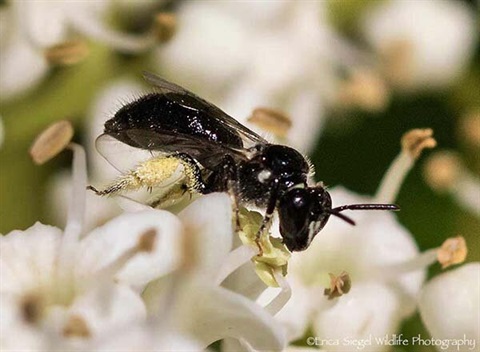
Tasmania is home to more than 100 native bee species, including reed bees, resin bees, leafcutter bees, and introduced honey bees. These important pollinators support local biodiversity, gardens, and food production across the region.
Bees play a vital role in:
- Pollinating native plants and bushland ecosystems
- Supporting fruit, vegetable, and crop production
- Improving garden health and biodiversity
Native bees are especially valuable as they are adapted to local conditions and help maintain Tasmania’s unique ecosystems.
Attracting native bees to your garden
Plant bee-friendly flowers
Bees are particularly attracted to blue, white, and yellow flowers such as:
- Wattle
- Lavender
- Grevillea
- Bottlebrush
- Salvia
- Tea tree
- Native daisies
Simple ways to support bees
Let herbs and vegetables flower (e.g. broccoli, lettuce, mustard), Avoid pesticides where possible, Provide shallow water sources for insects, Add a native bee hotel in a sunny, sheltered location
Bee hotel ideas: Aussie Bee – Bee Hotel Building Tips
Burnie City Council works with local environmental groups to protect biodiversity and support pollinators as part of broader environmental programs across parks, reserves, and waterways.
Living with bees in Burnie
There are currently no Council by-laws specific to keeping bees. However, beekeeping in residential areas should be managed responsibly to reduce risks such as bee stings, allergies, neighbour concerns, and swarming activity.
Good hive management helps ensure bees and the community can safely coexist.
Bee swarms and unmanaged hives
If you see a bee swarm or an unmanaged hive:
- Do not disturb it
- Keep clear of the area
- Contact a local beekeeper for safe removal
Tasmanian Beekeepers Association swarm collection service:
Tasmanian Beekeepers Association – Swarm Collection
Beekeeper registration (Tasmania)
All beekeepers must register under Tasmania’s biosecurity requirements.
Registered beekeepers must:
- Maintain hive records and site details via BeeTAS
- Follow the Australian Honey Bee Industry Biosecurity Code of Practice
- Monitor and report pests and diseases
More information:
NRE Tasmania – Bees and Biosecurity
Report bee pests or disease
Report immediately if you suspect:
- American foulbrood or European foulbrood
- Varroa mite (not present in Tasmania)
- Any unusual hive deaths or pest activity
Exotic Plant Pest Hotline: 1800 084 881
Email: honeybee.biosecurity@nre.tas.gov.au